What is the Key to the ACL Epidemic? Prevention.
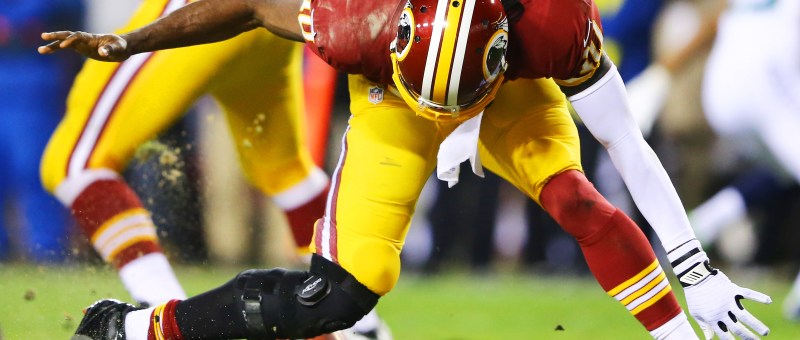
In my previous post, I discussed the current research and concepts with regards to Return to Sport following Anterior Cruciate Ligament Reconstruction (ACLR)... Now it is time to discuss how we, as clinicians, can help to prevent these injuries altogether. A recent Systematic Review and Meta-analysis of 14 studies and 27,000 participants conducted by Gagnier…

ACL Reconstruction: When Can I Play Again?

"When can I play ___________ again?" Such a simple question. Following an anterior cruciate ligament reconstruction (ACLR), this is the answer that everyone (clinician, patient, coach, and parent) wants to know. Unfortunately, this simple question does not have a simple answer. With copious amounts of research devoted to this pathology, it would seem like an…

Differential Diagnosis: Femoroacetabular Impingement

Hip pain is an all too common occurrence among older adults and adolescents alike. According to a survey and subsequent study conducted based on a predominantly female German population by Thiem et al. Out of the 2,221 individuals (> 40 years old) who responded, 15.2% reported hip pain and 3.5% reported bilateral hip pain. Similarly,…

Evidence-Based Strength Training: Rotator Cuff

This will be the first in a series of monthly posts that I will be contributing to MedBridge Education, who is an online continuing education resource for physical and occupation therapists... According to Sipes et al, 30% of athletes suffer a shoulder injury during their career. Of those injuries, subacromial impingement syndrome and rotator cuff…

The Chondral Lesion: Aftermath of an ACL Rupture

According to Swenson et al, the third most common knee injury in high school aged athletes is pathology associated with the anterior cruciate ligament (ACL) at 25.4%. Additionally, Griffin et al estimated that the total number of ACL ruptures per year approaches nearly 250,000 and a subsequent surgical reconstrucaton is perfromed in nearly 125,000 patients…

Cervical Manipulation… Is the Juice Worth the Squeeze? (Part 2)

In Part 1, the relative risks and important screening areas prior to cervical manipulation were discussed. In this second installment, the effectiveness and a theoretical framework for utilizing cervical manipulation will be laid out. According to the Neck Pain Guidelines published by Cleland et al, manual therapy (mobilization and manipulation) was graded both an 'A'…

Cervical Manipulation… Is the Juice Worth the Squeeze? (Part 1)

Neck pain is a debilitating and all too common issue worldwide. According to a systematic review published by Cote et al, the annual prevalence of neck pain in Quebec City is 48%, 27% in Norway, and 34% in the UK. Subsequently, a limitation in activities of daily living was found in between 11-14% of individuals.…

Strength Training Considerations for Patellofemoral Pain Syndrome

In my previous post regarding Patellofemoral Pain Syndrome (PFPS), I delved into its etiological understanding. Now that we are beginning to learn more about this syndrome and its subsequent biomechanical considerations, we can begin to develop a more effective and targeted strength training program. Posterolateral Hip Musculature Last year, two systematic reviews were published that…

Hip Osteoarthritis: Efficacy of Manual Therapy

According to the Clinical Guidelines for Hip Osteoarthritis (OA) published in 2009, the prevalence of hip OA is between 0.4% and 27%. The most common complaint of individuals diagnosed with this debilitating disorder is hip and/or groin pain. Additionally, there is a concomitant decrease in the availability of ROM at the involved hip, which is…

Etiology of PFPS: A Biomechanical Perspective

My last post regarding patellofemoral pain syndrome (VMO? VM-No) stated its prevalence and its misdirected treatment. This next post will help to clear up some of the confusion amongst clinicians as to the cause of PFPS, which should in turn help to drive the most effective treatment strategies. What causes patellofemoral pain syndrome (PFPS)? Now,…