
Blog Posts The first blog post comes from Joseph Brence, DPT (Forward Thinking PT) and Francois Prizinski, DPT, OCS, COMT, DAC, FAAOMPT who made a portion of their lecture titled "Modern Manual Therapy: Painful Paradigms, Pain Science and Neurodynamics of the Upper Extremity” available. If you are unsure or unaware of the mounting evidence supporting…
Tag: Physical Therapy
PT Technology: What Should be on Your Christmas List?

Since beginning DPT school last summer, I have accumulated and used several apps/programs related to physical therapy. Some good, some bad. I wanted to provide my list of "Must Haves" for any PT or PT student... Clinical ORthopedic Exam (CORE) - Clinically Relevant Technologies - iPhone/iPad/Mac Price: $39.99 for Smartphone/Tablet, $49.99 for Mac If I…
Evidence-Based Strength Training: Gluteus Medius

There are several pathologies and clinical presentations that may indicate targeting the hip abductors, but are you selecting the most effective interventions? Lets start off with some anatomy and biomechanics... The hip abductor musculature consists of the gluteus medius, gluteus minimus, and tensor fasciae latae as determined by Clark et al. Additionally, the piriformis and…
What to Read: November 2012
This is the first installment of a monthly post suggesting great physical therapy related blog posts and research to read... Blog Posts The first blog post comes from Joseph Brence, PT, DPT at Forward Thinking PT who posted a thorough response to a controversial speech given by Dr. Stanley Paris regarding the current state of…
Hip Osteoarthritis: Efficacy of Manual Therapy
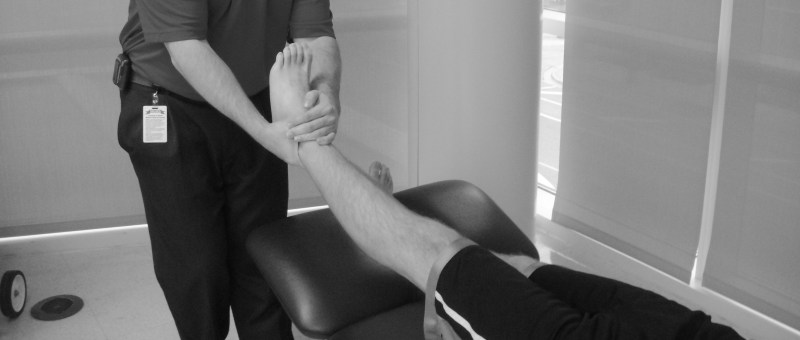
According to the Clinical Guidelines for Hip Osteoarthritis (OA) published in 2009, the prevalence of hip OA is between 0.4% and 27%. The most common complaint of individuals diagnosed with this debilitating disorder is hip and/or groin pain. Additionally, there is a concomitant decrease in the availability of ROM at the involved hip, which is…
Etiology of PFPS: A Biomechanical Perspective
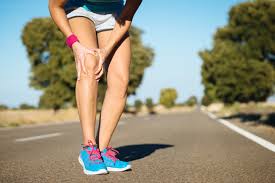
My last post regarding patellofemoral pain syndrome (VMO? VM-No) stated its prevalence and its misdirected treatment. This next post will help to clear up some of the confusion amongst clinicians as to the cause of PFPS, which should in turn help to drive the most effective treatment strategies. What causes patellofemoral pain syndrome (PFPS)? Now,…
Invited Commentary: Rethinking Short Arc Quads
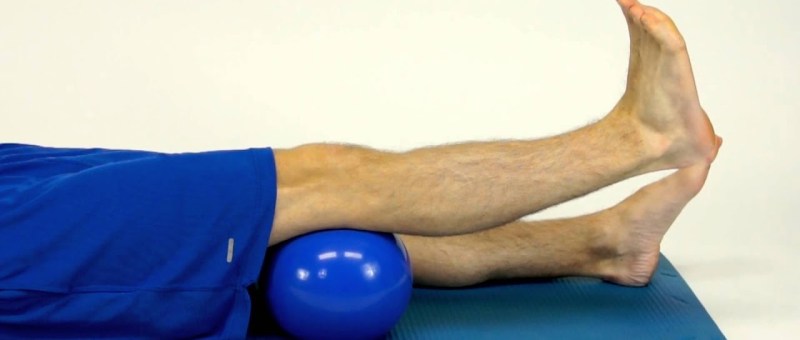
The following blog post was written by TJ Moore, SPT, ATC who is currently a 2nd year DPT student at the University of Pittsburgh. TJ graduated from Western Carolina University with a bachelor’s degree in Athletic Training in 2010. Following graduation, he obtained a job at Duke University as an Athletic Trainer and worked with…
VMO? VM-No.
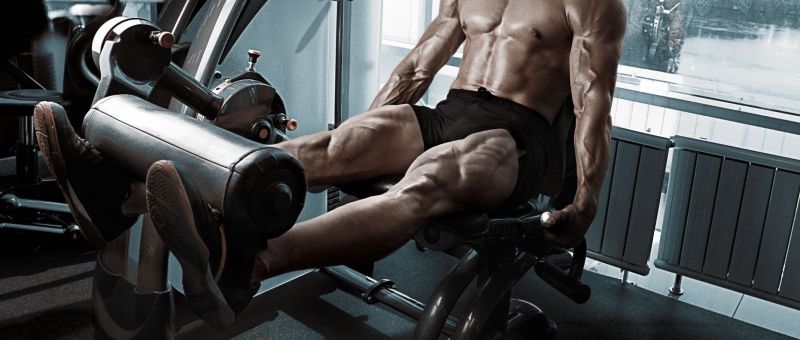
According to a retrospective case-control analysis by Taunton et al, of the 2,002 running-related injuries seen at a primary care sports injury facility, 42.1% (842/2,002) were knee injuries. Of these knee injuries, 39.3% (331/842) were due to patellofemoral pain syndrome (PFPS), which made PFPS far and away the most common diagnosis found in this large-scale…
My Experience in Acute Care

When I initially received my summer full-time clinical assignment at Excela Health - Latrobe Area Hospital (LAH) in the acute care department, I have to admit, I was a little disappointed. If you couldn't tell by the title of my blog, my interests generally lay with manual therapy, orthopedics, and sports medicine. So, I was…
Manual Therapy… Why the Apprehension?

According to a survey of 813 British physical therapists conducted by Foster et al, Only 58.9% Physical therapists utilize spinal mobilization (Grade I - IV) and only 2.8% use spinal manipulative therapy (Grade V) when treating patients suffering from low back pain (LBP). Additionally, a survey of 274 Canadian physical therapists published by Li et…
 John Snyder, DPT